

Dubai Metro deploys AI-powered robotic inspection system (VIDEO)
New system reduces manual inspections by up to 70 percent

DUBAI’s Roads and Transport Authority (RTA) has introduced a cutting-edge robotic solution to inspect rail infrastructure across the Dubai Metro network.
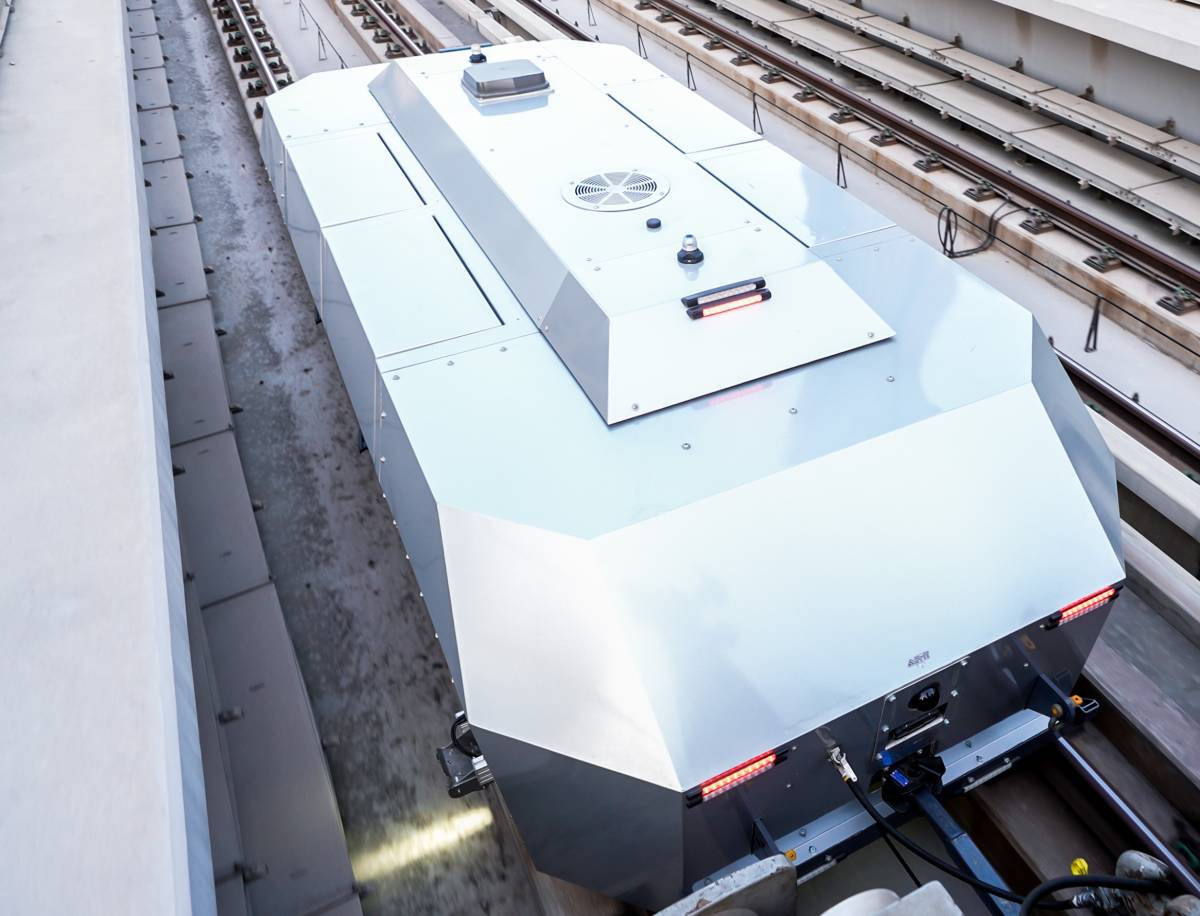
The AI-driven system, called the Automated Rail Infrastructure Inspection System (ARIIS), was launched in collaboration with Keolis MHI and Future Maintenance Technologies (FMT). This smart technology reinforces Dubai’s leadership in integrating Artificial Intelligence within public transport services and advancing sustainable infrastructure.
How does ARIIS work?
The ARIIS platform operates autonomously and is equipped with high-resolution 3D cameras, LiDAR sensors and precision laser systems. It performs detailed inspections of the tracks and other vital metro infrastructure components without disrupting daily operations. ARIIS aligns with the city’s broader Smart City strategy, focusing on enhancing reliability, safety, and efficiency through AI.
Using a mobile robotic unit, ARIIS navigates the metro’s infrastructure, capturing comprehensive structural data. It autonomously detects anomalies, identifies maintenance needs, and reports real-time analytics to system operators. Unlike traditional manual inspections, which are time-intensive and potentially hazardous, ARIIS minimises human involvement and maximises accuracy.
The system’s ability to reduce manual inspection activity by up to 70 percent makes it a valuable asset in safety risk mitigation. Its data analytics capabilities allow a 40 per cent increase in accuracy when evaluating infrastructure condition, leading to more informed and timely interventions.
What benefits will it bring?
One of the most tangible improvements is the boost in operational efficiency. ARIIS cuts down inspection time by nearly 75 per cent. For instance, tasks that once required 2,400 man-hours can now be completed in just 700. This shift not only allows for more frequent inspections but also ensures uninterrupted metro service during the process.

Moreover, the system's diagnostics support a predictive maintenance approach. This extends asset lifespans and reduces overall maintenance costs by up to 25 per cent. It also enables more strategic allocation of resources, increasing maintenance planning efficiency by 40 per cent while avoiding redundant interventions.
Is it active already?
ARIIS has already been rolled out and integrated into Dubai Metro’s routine operations.
David Franks, Managing Director of Keolis MHI, noted that the new system is already transforming maintenance practices. FMT CEO Loic Ayoul added that Dubai is setting a global benchmark by adopting robotics and AI to enhance urban transport infrastructure.